




 America Latina
 ANZ
ANZ
 Austria
 Germany
 North America
 Italy
Italy
 Brazil
 United Kingdom
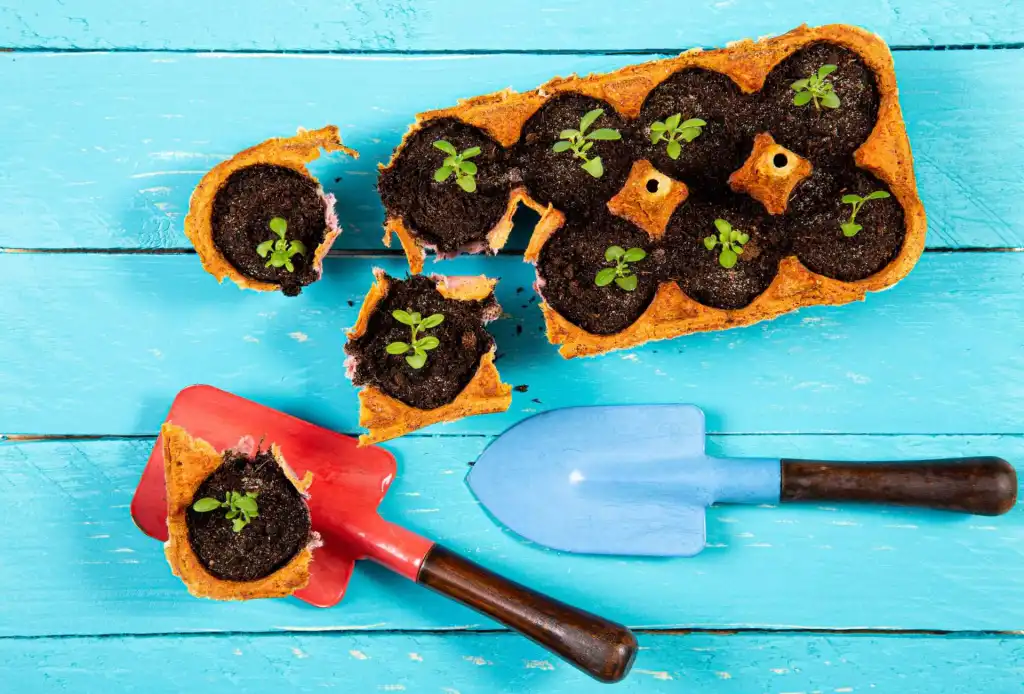
The age-old saying, “Waste not, want not,” holds more meaning today than ever before. With growing concerns about landfill overflow and environmental impact, the U.S. is making strides in waste reduction. In 2024, Americans recycled 60-64% of all paper and an impressive 69%-74% of cardboard, according to the American Forest & Paper Association. But sustainability doesn’t stop at the curb, gardening is a perfect place to put reuse and recycling into action.
Here are six simple, eco-friendly ways to use everyday materials in your garden and cut down on waste:

1. Paper Coffee Cups as Planters
Before you toss your empty coffee cup in the trash, give it new life as a biodegradable planter. Just clean it out, remove the lid, add some potting mix, and plant your seeds. This is a great method for starting herbs or small flowers indoors.
TIP: Egg cartons also work well as mini seed trays. Once the seedlings sprout, you can plant the whole thing directly into the soil.
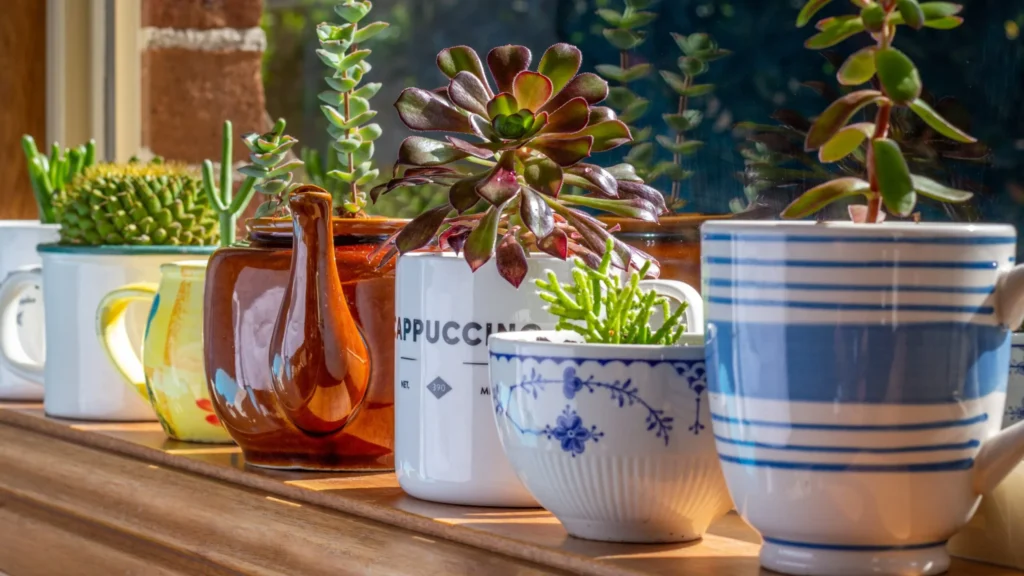
2. Turn Chipped Mugs and Old Cookware into Planters
That chipped mug or dented pan doesn’t belong in the landfill. Repurpose them as charming, quirky planters. They’re great for flowers, succulents, or even small veggies. Even old oil drums can make excellent deep containers for potatoes or tomatoes.
TIP: Drill drainage holes if your container doesn’t already have them. You can also line the bottom with small rocks to help with water flow.
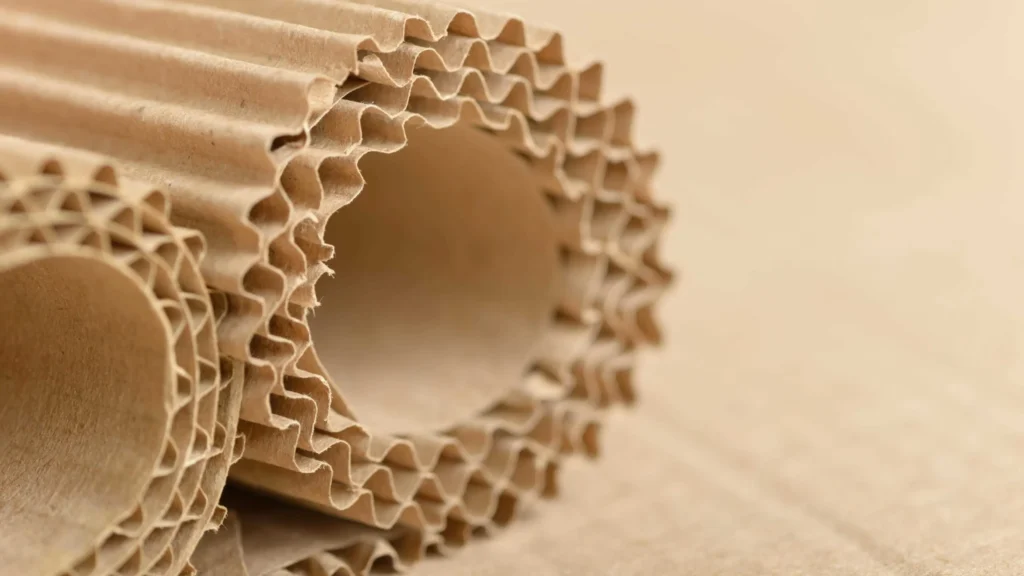
3. Use Cardboard to Suppress Weeds
Cardboard is a gardener’s secret weapon. Lay flattened boxes at the bottom of raised beds or under mulch to block weeds. It breaks down over time, enriching the soil while reducing your use of harmful herbicides.
TIP: Extend the cardboard a few inches past the bed’s edges to discourage weeds from creeping in along the sides.
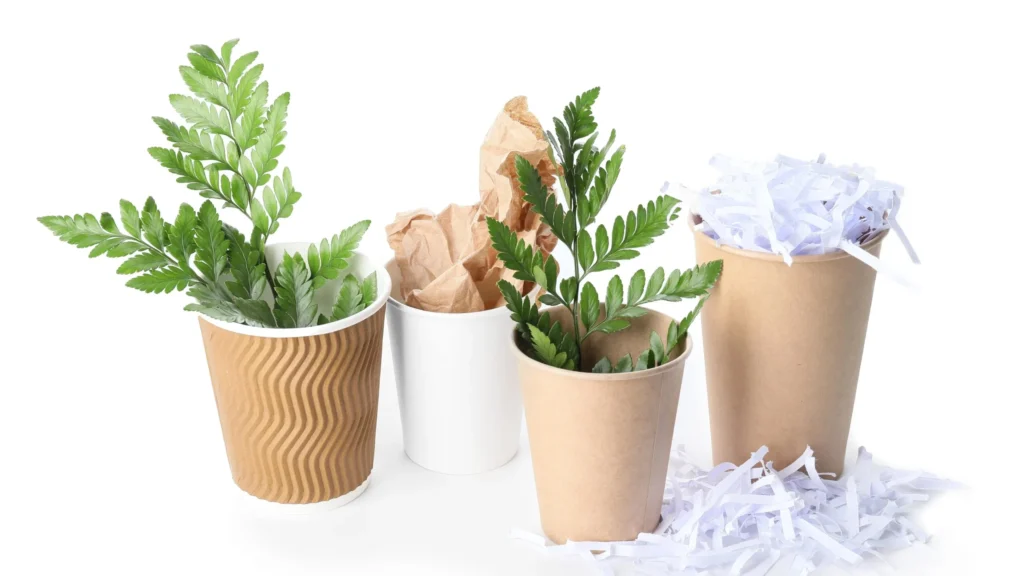
4. Shred Paper for Compost or Mulch While Gardening
Paper made from natural fibers is compostable and can help balance nitrogen-rich food scraps. Shredded paper also retains moisture in the soil, improves texture, and helps earthworms thrive.
TIP: Stick to black-and-white printed paper. Avoid glossy magazines or laminated sheets, which don’t break down well and may contain toxic inks.
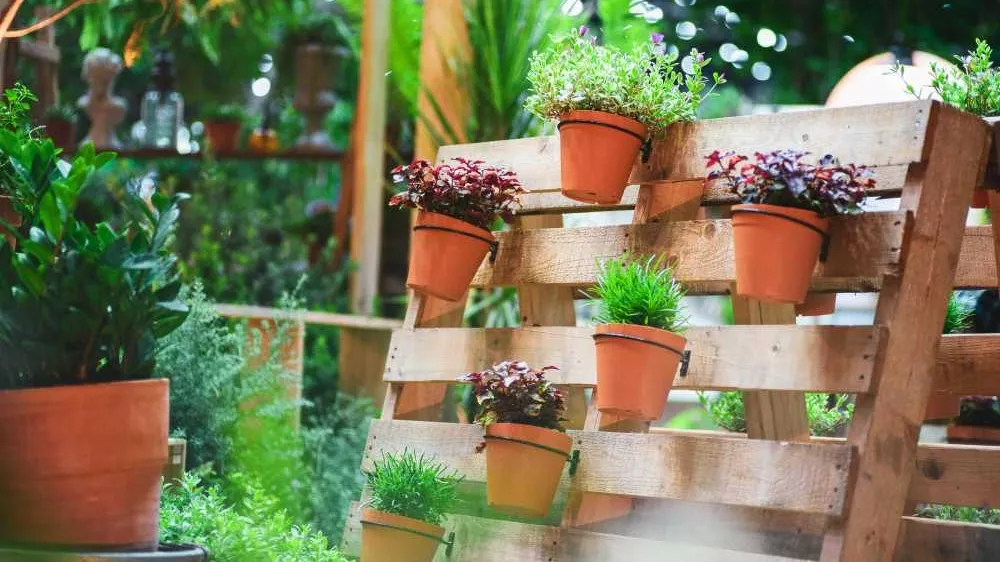
5. Upcycle Wooden Pallets or Fallen Branches
Wooden pallets are perfect for DIY gardening projects. Use them to create vertical gardens, compost bins, or even garden furniture. Found branches and driftwood also work well for propping up plants or adding rustic charm.
TIP: Check your local Buy Nothing group, Facebook Marketplace, or Craigslist for free pallet listings. Always inspect for nails or chemical treatments before using.
6. Give Old Furniture a New Outdoor Purpose
Before dumping that wobbly table or broken dresser, consider its second life in your garden. Desks become potting benches, bookcases become raised beds, and dressers can be used to store gardening tools.
TIP: Apply a coat of exterior paint or sealant to protect wood furniture from rain and sun, ensuring it lasts for seasons to come.
Feeling inspired? Grab a pair of gloves and take a fresh look at your recycling bin or garage. The materials for your next garden project might already be hiding in plain sight. Every reused item is one less thing in a landfill—and one more step toward a more sustainable future.