




 American Latina
 Austria
 Brazil
 Czech
Czech
 Finnish
 France
 Germany
 Italy
Italy
 North
America
North
America
 Norway
 Polish
 Portugal
 Spain
Spain
 Sweden
 United Kingdom
Meeting people where they are
For households where devices are a financial stretch or where reliable internet simply isn’t available, accessibility to paper ensures essential information still gets through. Millions of people live without consistent connectivity, whether in rural areas, lower-income communities, or places where infrastructure hasn’t caught up.
A letter, a leaflet, a printed form doesn’t need anything extra, not a data plan, a working charger, or a strong signal. It just arrives, and that can be crucial for so many people.


Serving older and disabled communities
For those who didn’t grow up navigating digital interfaces, or who find screens physically difficult to use, accessibility to paper remains the most intuitive way to receive information. No passwords to remember, no settings to configure, no frustrating updates that move everything around.
For older adults managing their health, finances, or correspondence, and for people with visual, motor, or cognitive disabilities, paper offers clarity and independence that digital systems often can’t match. Just the page, at whatever pace works for them.
No charge, no login, no barrier
A piece of mail arrives, whether or not you own a device. It doesn’t time out, get paywalled, or disappear when a platform changes its algorithm. And when power grids fail, connectivity drops, or disaster strikes, print is often the most resilient communication tool available, the one that keeps working when everything else doesn’t.

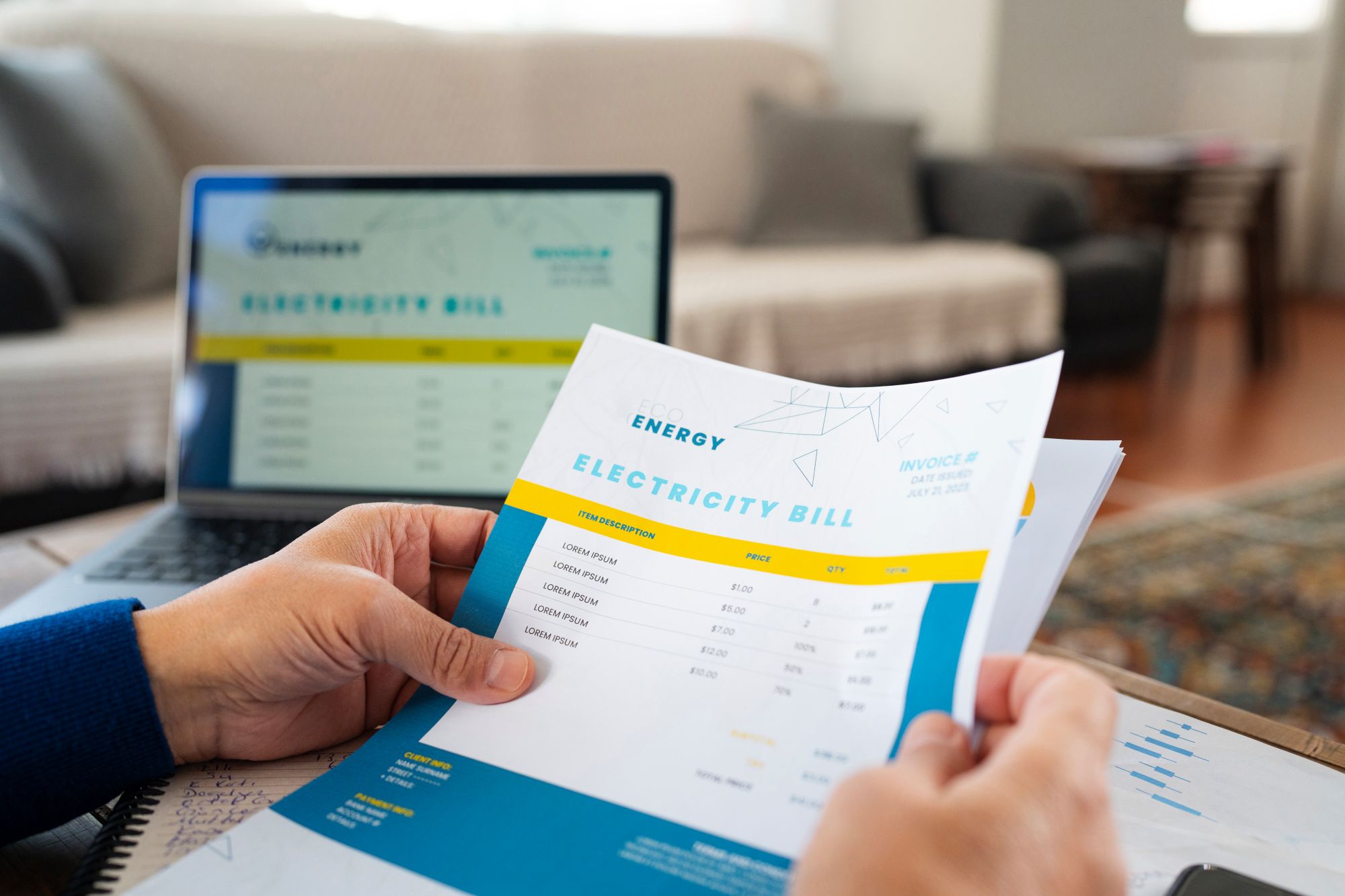
The other side of “go paperless.”
Paper is renewable, recyclable, and compostable, made from a resource that regrows, breaks down naturally, and stores carbon along the way. Data centers, by contrast, consume enormous amounts of energy and water just to keep our emails, files, AI and streams running around the clock.
Electronic devices are made from non-renewable resources, and when they reach the end of their lives, they can leave behind toxic e-waste. Asking customers to ‘Go Paperless’ sounds virtuous, but it’s called “greenwashing” for a reason. The full picture is more complicated.