



 America Latina
 ANZ
ANZ
 Austria
 Germany
 North America
 Italy
Italy
 Brazil
 United Kingdom
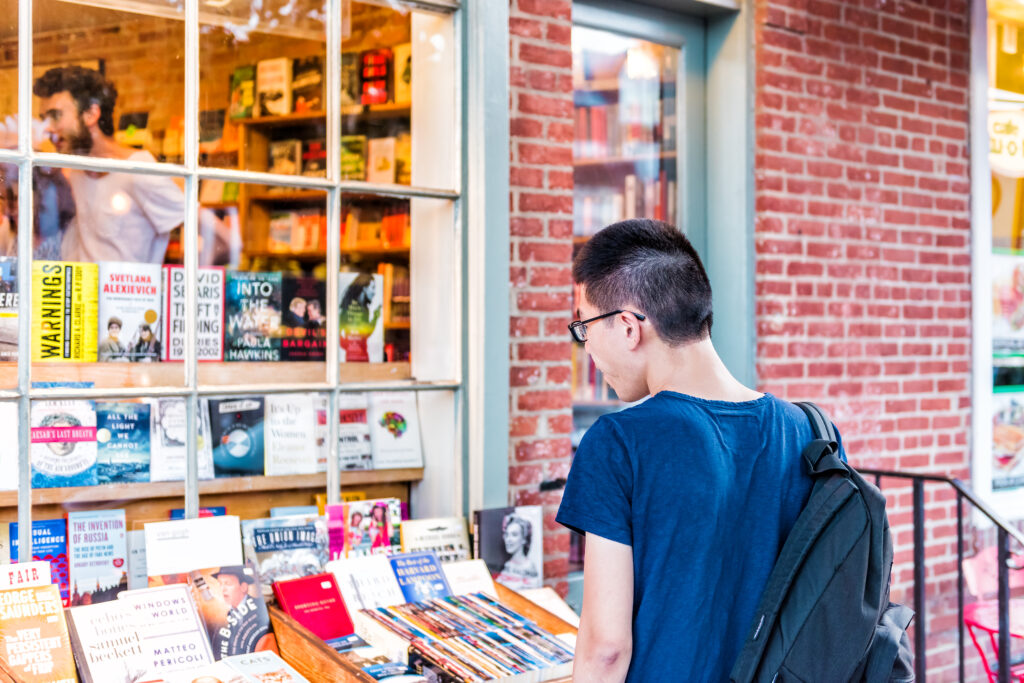
From zines and mini mags to handmade journals, indie bookshops, and craft fairs, a growing community is rediscovering the joy of print and paper.
Something interesting is happening in a world that never stops scrolling. People are putting down their phones and picking up paper. Not reluctantly. Enthusiastically.
Walk through any weekend market or indie bookshop right now, and you’ll find tables stacked with zines, hand-stapled mini mags, letterpress cards, hand-bound journals, and small-run publications that someone made with their own hands, on purpose, in limited quantities. And alongside them: carefully curated shelves of books—not bestseller algorithms, but human recommendations. They sell out. People hold them like they matter, because they do.
Why Paper, Why Now?
A lot of it comes down to screen fatigue. After years of constant scrolling and digital noise, there’s something genuinely appealing about slowing down and holding something real. The tactile experience of print—the weight of it, the smell of it, the fact that it exists without pinging you—feels like a relief. Books, in particular, offersomething screens can’t replicate: an uninterrupted relationship with a single voice, from first page to last.
It’s not just a vibe, either. Nearly half of Gen Z report feeling overwhelmed by screens, and a lot of people have been quietly cutting back on screen time. Meanwhile, zine fairs are selling out, indie publications keep launching, and independent bookshops, once written off, are not just surviving but opening new locations. People are voting with their hands.
For a generation raised on algorithmic feeds that decide what you see and who sees you, paper feels like freedom.
Zines: No Editor, No Algorithm, No Permission Required
Zines (pronounced “Zeens”), small-circulation, self-published print pieces with deep roots in DIY culture, are at the heart of this. Anyone with a printer, a photocopier, or even just scissors and glue can make one. That’s always been the point. Zines have given voice to people and ideas that didn’t fit neatly into mainstream publishing, and that tradition is very much alive.
Today’s zine makers are artists, activists, educators, and storytellers making work that’s personal, political, playful, and sometimes all three at once. The format has gone global too; Japan’s self-publishing market has nearly doubled in the past four years. Closer to home, zine fairs from Portland to Brooklyn to Austin are drawing real crowds and building real communities.
Mini Mags, Handmade Books, and the Joy of Making Something Real
The revival goes well beyond zines. Mini magazines, hand-lettered journals, rubber-stamped cards, collage art books, paper crafting of all kinds—people are making things with their hands and sharing them directly with other people. No middleman, no algorithm deciding who gets to see it.
There’s something powerful about holding a zine, a handmade book, or even just a well-loved paperback and knowing that a real person made this, for you, or wanted you to have it. You’re not just consuming content. You’re engaging with someone’s passion. That distinction turns out to matter a lot.
Paper as Community
Maybe the most unexpected part of this whole thing is how social it is. Zine fairs, paper craft workshops, book arts collectives, indie publication swaps, neighborhood book clubs, little free libraries—these are spaces where people connect in real life, around a shared love of making and reading things on paper.
Libraries are building zine collections and hosting author events. Community centers are running papermaking workshops. Local print shops are becoming creative collaborators. Your neighborhood bookshop probably knows your name. Making something by hand, or finding the right book at the right moment, turns out to be a surprisingly good antidote to the quiet isolation that so much of digital life produces.
Paper has always been the medium humans use to record what matters to them. Right now, a lot of people are remembering that and joining in.
Curious about the print revival in your own community? Look for a zine fair near you, visit your local independent bookshop, browse a used bookstore without a list, or just pick up some supplies and make something yourself. There are no rules.
Want to learn more about paper? Read more now!