




 America Latina
 ANZ
ANZ
 Austria
 Germany
 North America
 Italy
Italy
 Brazil
 United Kingdom

Learn The Whole
Story About Paper
Paper plays a far bigger role in our lives than many people realize.
From how we learn and package goods to how forests are managed and materials are recycled, paper supports a sustainable and meaningful connection between people and the planet.

Explore the sections below to discover how paper shapes learning, forestry, recycling, packaging, and everyday life.

Learning

Forestry

Recycling

Packaging

Lifestyle

Accessibility

Learning
The original touchscreen.
Screens are always pulling you somewhere else—a notification here, a suggested video there, an algorithm quietly deciding what comes next. Print doesn’t do any of that. It just sits with you, patient and unhurried, and lets you decide when you’re done. No interruptions. No detours. Just you and the page, going at your own pace. That kind of focused attention is rarer than it used to be, and more valuable.
Forestry
A renewable resource.
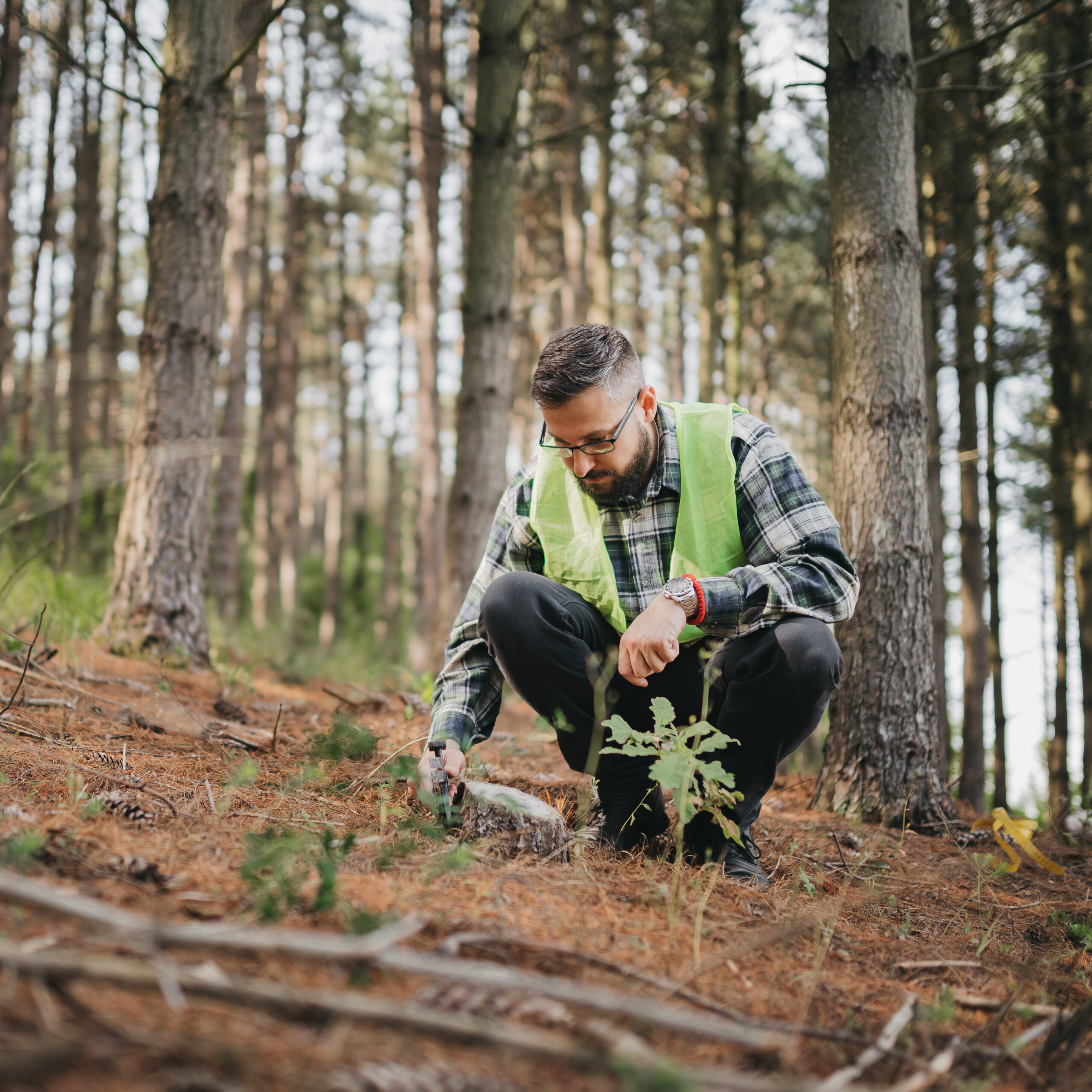
Paper doesn’t just come from forests, it helps keep them standing. When forests are managed responsibly, everyone benefits from keeping them healthy, so more trees are planted than harvested . The cycle sustains itself.
And every paper product stores the carbon that tree absorbed while it was alive, holding it for the lifetime of the product, and continuing that story when it’s recycled. It’s a material that earns its place. Not just because it comes from nature, but because, done right, it gives back to it.

Recycling
Created for circularity.
Paper is one of the few materials built for a second life—and a third, fourth, and fifth. Its fibers can be recycled up to five to seven times, moving from office paper to cardboard to packaging to tissue before they’re too short to go further. At every stage, the material keeps working.
The numbers back it up. Paper is the most recycled material on earth, diverting millions of tons from landfills every year, tons that would otherwise release methane, one of the most potent greenhouse gases we produce. When paper goes back into the cycle, the emissions stay out and the material stays useful.

Packaging
People have spoken, and they choose paper.
Stack paper up against plastic, glass, and metal, and it wins more categories than any other material. The reason? It’s lighter, cheaper to ship, and better for the planet. It’s also easier to recycle. And when consumers vote with their preference and their purchases, brands pay attention.
Paper isn’t just the responsible choice. It’s becoming the expected one.

Lifestyle
Every moment that matters.
Whether it’s drying your hands, losing yourself in a novel, or sending someone a card that tells them they matter, paper is part of the moments that make up a life. It’s there in the mundane and the meaningful—the tissue on a bad day, the paperback that changed how you see the world, the birthday card still stuck to the fridge years later.
We don’t often stop to notice it, because paper doesn’t ask to be noticed. It just shows up, does its job, and gets out of the way. Quietly useful. Quietly irreplaceable.

Accessibility
Leaving no one behind.
Not everyone has equal access to screens. For millions of people in rural areas, lower-income households, or communities where infrastructure hasn’t kept pace, reliable internet and the devices to access it aren’t a given. Paper doesn’t ask anything of them. It just arrives.
That matters for older adults managing their health and finances, for people with disabilities who find digital interfaces hard to navigate, and for anyone locked out of essential information because they didn’t have the right device or the right login. Paper meets people where they are, not where technology assumes they should be.


The Paper Fact File
Paper is one of the most sustainable and recycled materials in the world!
Visit the Two Sides Paper Fact Page to discover the facts about paper’s sustainable attributes. Some might surprise you!