




 America Latina
 ANZ
ANZ
 Austria
 Germany
 North America
 Italy
Italy
 Brazil
 United Kingdom
 Norway
 Sweden
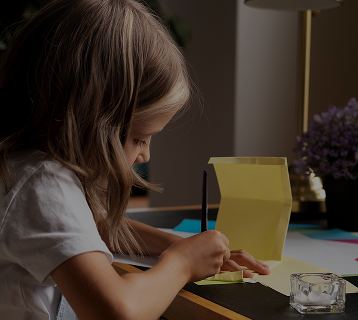
In our increasingly digital world, stepping away from screens can feel like a radical act. Whether you’re making the change to reduce eye strain, combat digital fatigue, or simply develop a healthier relationship with technology, using paper-based methods for staying productive and organizated can be both effective and refreshing.
The benefits of using paper over a phone or laptop are limitless. Paper comes without notifications or the temptation to scroll, it doesn’t require batteries, updates, or an internet connection, and you’re not constrained by pre-set app designs or limitations. And that’s without even mentioning the unbeatable feeling of putting pen to paper.
Here are six tips and alternative, paper-based methods for staying productive without using your phone or laptop.
1. Create a Daily Productivity Tracker
Designing a daily productivity tracker on paper can give you a clear and visual overview of your goals, tasks and progress. Unlike a digital tracker, which may overwhelm you with notifications and distractions, a handmade tracker allows for a less invasive and more tailored experience. You can use a notebook to divide each page into sections for daily tasks, appointments, and long-term goals.
A productivity tracker on paper doesn’t just keep you organized; it also creates a tangible record of your work. Flipping through previous days and seeing your progress can be a powerful motivator, not to mention that you can decorate each page however you like.
2. Adopt Mind-Mapping for Problem Solving
When brainstorming or trying to solve a complex problem, mind mapping on paper can be an invaluable tool. Start with a blank sheet, write the central idea in the middle, and then branch out with related ideas, subtopics and action points, connecting them with lines or arrows.
The physical act of drawing connections helps your brain to process information more deeply. Furthermore, mind mapping encourages creative thinking that’s harder to replicate on a screen, where we find ourselves limited by templates and formatting. The flexibility of paper allows your thoughts to flow freely, making it easier to uncover new solutions.
3. Use a Physical Calendar or Planner
Switching to a paper calendar or planner is a simple yet impactful way to manage your schedule without the need to rely on digital tools. A physical planner allows you to see your week, month, or year at a glance without the distraction of notifications.
You can choose a planner with a layout that suits your style, whether that’s a minimalist weekly view or a detailed daily breakdown. Pinterest is a great place to look for inspiration if you’re feeling stuck. Writing by hand is a proven way to help you better process and remember information, so you’re less likely to forget that meeting with Jeremy at five o’clock on Wednesday.
4. Write Morning Pages for Mental Clarity
Morning pages is a practice popularised by Julia Cameron in her self-help book The Artist’s Way and involves writing three pages of free-flowing thoughts first thing in the morning. This technique isn’t limited to artists; it’s a powerful productivity tool for anyone looking to start the day with a clear mind.
The thought process is that by putting pen to paper, you can get all of your worries, ideas, and to-dos out onto the page, clearing your mental clutter and helping you to focus on the tasks ahead. Morning pages also help to foster self-awareness and creativity, giving you a better sense of direction for your day. Why not try this instead of picking up your phone first thing in the morning?
5. Design a Custom Workflow Chart
For larger projects or recurring tasks, you could create a paper-based workflow chart. To do this, use a large sheet of paper to map out each step of your process, from beginning to end. Include decision points, timelines, and responsible parties (if working in a team). Color coding or diagrams may be helpful to add clarity.
A physical workflow chart serves as a visual roadmap, helping you to stay on track without the need for digital project management tools. You can hang it near your workspace for easy reference and update it as needed.
6. Track Productivity Habits with a Paper-Based System
Building and maintaining habits is essential when building long-term productivity or even for improving your lifestyle choices. A paper-based habit tracker allows you to visually mark your progress each day.
Unlike apps, this tracker is a personal and creative tool. Seeing a physical streak of completed habits on your fridge or bedroom door can motivate you to keep going with your progress, and the act of manually checking off each day’s accomplishments can really reinforce your commitment.
While digital tools have their place in the world, incorporating paper-based methods into your routine can bring a sense of calm into your daily life, especially if you’re actively attempting to cut down on screen time. Whether you’re tracking habits, solving problems, or planning your week, paper offers a distraction-free and effective way to stay focused and achieve your goals.
Give these tips a try and experience the power of going analog in a digital world.
Want to learn more? Learn more about integrating paper into your productivity at Love Paper!