




 America Latina
 ANZ
ANZ
 Austria
 Germany
 North America
 Italy
Italy
 Brazil
 United Kingdom
 Norway
 Sweden
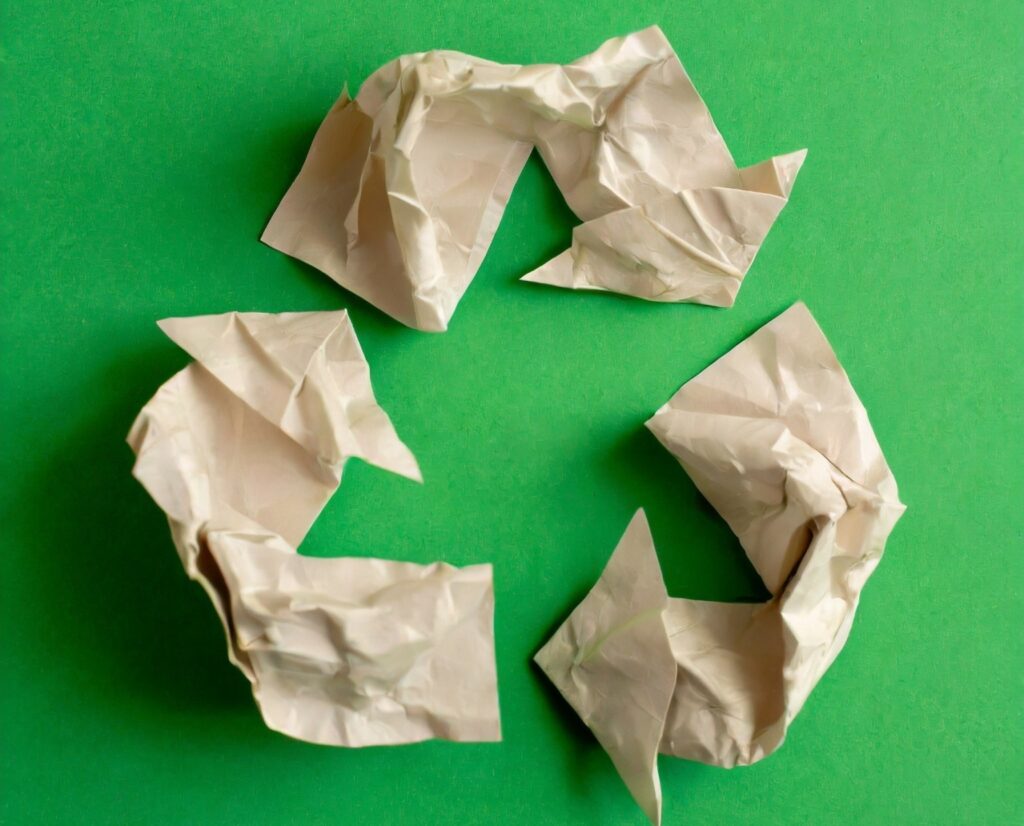
Taking place on March 18, Global Recycling Day 2026 highlights the economic value of reusing the planet’s resources
Established in 2018 to recognize and celebrate the importance of recycling in preserving the world’s primary resources, Global Recycling Day has grown from a small celebration within the recycling industry into a worldwide event that brings together governments, businesses, schools and individuals.
Ranjit Baxi, founding president of the Global Recycling Foundation, created Global Recycling Day. Baxi coined the term “Seventh Resource” to describe recyclable materials as a valuable resource alongside six widely recognized natural resources: water, air, coal, oil, natural gas and minerals. He is widely recognized as an international expert in the recycling industry and as an advocate for climate issues.
“Recycling helps to combat climate change. Every year, the Seventh Resource saves over 700 million tons of CO2 emissions,” according to the Global Recycling Day website. The concept emphasizes recycling materials such as paper, plastic, glass, metal, and e-waste, collectively known as the “Seventh Resource,” to be used repeatedly and to help conserve the Earth’s primary natural resources.

Opportunity for Growth
The theme of Global Recycling Day 2026 is ‘Don’t Think Waste – Think Opportunity’, which aims to reframe recycling as an important economic driver. Accenture, a global information technology and management consulting company, estimates that reimagining waste as a resource in circular economy models could generate an estimated $4.5 trillion in additional global economic growth by 2030.
The scope of Global Recycling Day extends to all materials in the waste stream, including paper and corrugated material, plastics, textiles, e-waste, and construction materials. All are a significant portion of the waste stream and have recycling potential.
According to the World Bank, the world generates 2.01 billion tons of municipal solid waste annually. Studies suggest that about 51% of waste in high-income countries and 20% in low-income countries could potentially be recycled, though actual recycling rates are significantly lower. Closing that gap could prevent hundreds of millions of tons of CO2 from entering the atmosphere every year.
While the recycling challenge is global, North America offers several examples of both opportunity for improvement and progress.
Over the past decade, recycling rates in the United States have remained steady at around 35%. Of that, the most recycled material is paper and paperboard. Despite gaps in the recycling system, public support remains strong: 87% of Americans say recycling is important, nearly 9 in 10 believe it helps the economy, and 75% recognize that recycling saves more energy than it uses. The gap between public support and actual recycling behavior may stem from inconsistent recycling rules between states, limited access to recycling facilities, and misinformation about proper recycling practices.
For Canada, the story is similar. In 2022, Canada generated 36.5 million tonnes of solid waste. Of that, only 27% was diverted from landfill, with two-thirds being paper and organic materials. While residential waste generation has declined, overall waste generation continues to rise, highlighting the need for better recycling education.
A Recycling Success Story
According to the AF&PA, The U.S. paper recycling industry stands as an impressive circular economic achievement. In 2024, the recycling rate for paper was 60% – 64%. Paper packaging performs even better, reaching a 69%–74% recycling rate – the highest of any material in North America.
The environmental case is also compelling. In the U.S., about two-thirds of recycled paper is used to make new products that consumers rely on every day. In 2024, nearly half of recycled paper went into making containerboard – the material used to make cardboard boxes.
Paper stands as a fantastic example of a recycling success story, one that other materials are striving to replicate. Continued participation in paper recycling helps strengthen an existing circular system and supports the efficiency of the industry.
For more information on Global Recycling Day 2026, go to globalrecyclingday.com
About Two Sides North America
Two Sides North America is a member-supported non-profit advocacy organization for the paper, paper-based packaging, direct mail and graphic communications industries. Our goal is to dispel common environmental misconceptions and to inspire and inform businesses and consumers with engaging, factual information about the environmental sustainability and value of print, paper, and paper-based packaging. We are the only group working to dispel and remove Greenwashing language used by companies and organizations in North America.
To learn more about Two Sides North America and how to become a member, please visit twosidesna.org.