




 America Latina
 ANZ
ANZ
 Austria
 Germany
 North America
 Italy
Italy
 Brazil
 United Kingdom
 Norway
 Sweden
The Two Sides Trend Tracker is a biennial global survey and one of the most comprehensive studies into consumer perceptions of print, paper, and paper-based packaging.
In its latest edition, the survey company, Toluna, gathered responses from 12,400 consumers across 17 countries, including the United States, Canada, South America, South Africa and Europe, offering valuable insights into global attitudes towards paper-based and digital communication.
Paper vs Digital Communications
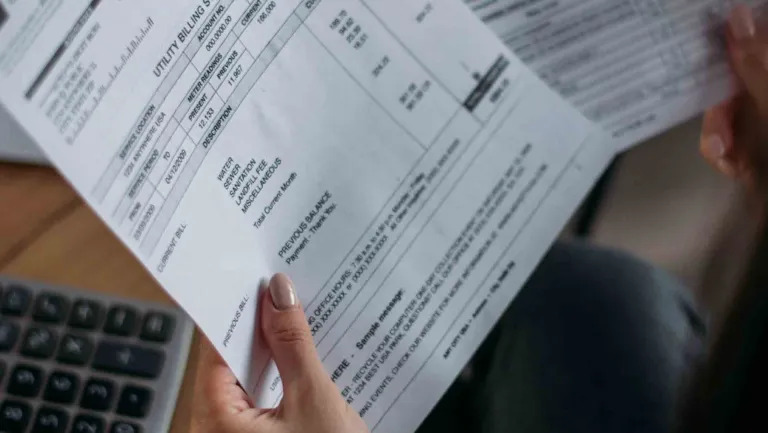
Across North America, a growing number of organizations are encouraging customers to transition from paper to digital communications, often citing environmental benefits. However, many of these claims lack evidence and fall under the definition of greenwashing – the use of misleading environmental messaging to justify cost-saving decisions.
The Trend Tracker survey reveals that 64% of U.S. consumers recognize the primary motivation for service providers switching their customer communications to digital is to reduce costs, not to help the environment, an increase from 57% in 2021. Furthermore, 74% believe they should not be charged more for choosing paper bills or statements.
The right to choose remains important for many consumers. 80% of U.S. consumers agree they should have the right to choose between paper and electronic communications, especially when dealing with financial and service providers. This choice is not only about preference but about accessibility, ensuring that those who cannot easily access digital services are not left behind.
Digital Dependency and Its Challenges
As digital communication becomes increasingly dominant, concerns about its long-term impact are growing. The Trend Tracker results reveal unease and growing concern among consumers regarding issues such as data security, digital fatigue, and the potential health risks associated with excessive screen use.
- 65% of respondents worry that personal information held digitally is vulnerable to hacking, theft, or loss.
- 54% feel they spend too much time on digital devices.
- 48% are concerned about potential health impacts from excessive screen time.
There is also a widespread assumption that digital communication is more environmentally friendly. However, the environmental footprint of digital infrastructure is significant and often underestimated. The energy consumption required for digital technologies is increasing by 6% each year and makes up a significant portion of global emissions (~3.5% in 2021).1
Additionally, the issue of electronic waste is escalating. In 2022 alone, the world produced a record 62 million metric tonnes of e-waste, of which just 22.3% of global e-waste was collected for recycling.² Recycling activities are not keeping pace with the global growth of e-waste. The non-environmentally sound disposal and treatment of this waste stream pose significant risks to the environment and human health.
The Role of Print in a Balanced Media Landscape
“We recognize that both paper and digital communications play an important role in our everyday lives. They each have their role and complement each other,” says Jules Van Sant, Executive Director of Two Sides North America. “Consumers have shown they want a choice, and it is crucial that people are not misled into thinking paper is not sustainable and that digital is inherently better for the environment than paper.”
Two Sides actively challenges organizations that use unverified and misleading claims, such as ‘Go Green, Go Paperless’, to push digital-only communications. These messages not only mislead consumers, but also unfairly damage a North American forest and paper industry that supports 925,000 jobs in the U.S. and millions throughout the supply chain.
An executive summary of the Trend Tracker Survey 2025 was published in July and is available to industry stakeholders upon request. Visit to register your interest in receiving this summary. Trend Tracker Survey Results 2025 – Two Sides North America
The full report, which provides regional data broken down by age and gender, is available to Two Sides members only.
Want to learn more? Discover the page-turning facts about paper HERE.
Sources: