



 American Latina
 Austria
 Brazil
 Czech
Czech
 Finnish
 France
 Germany
 Italy
Italy
 North
America
North
America
 Norway
 Polish
 Portugal
 Spain
Spain
 Sweden
 United Kingdom
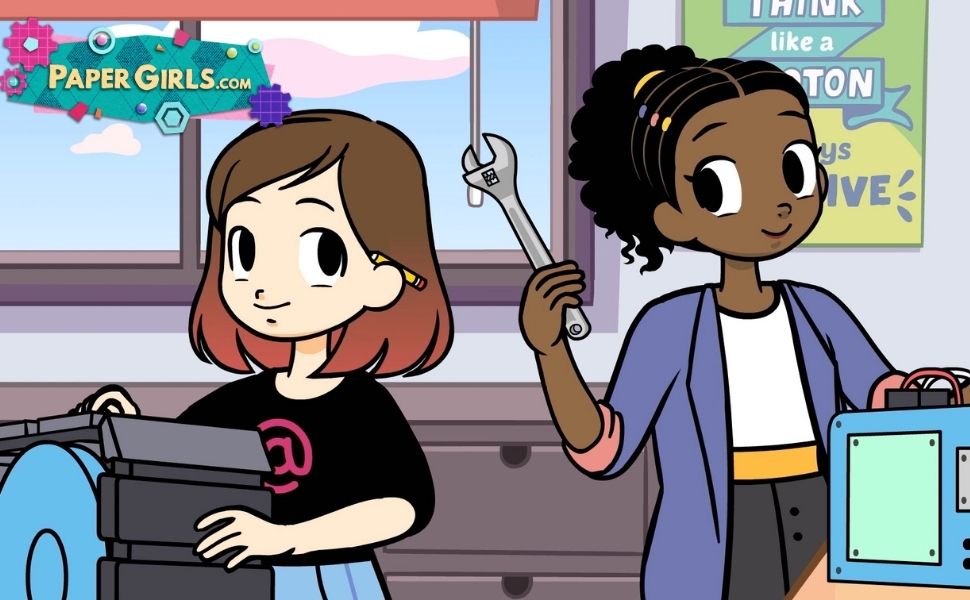
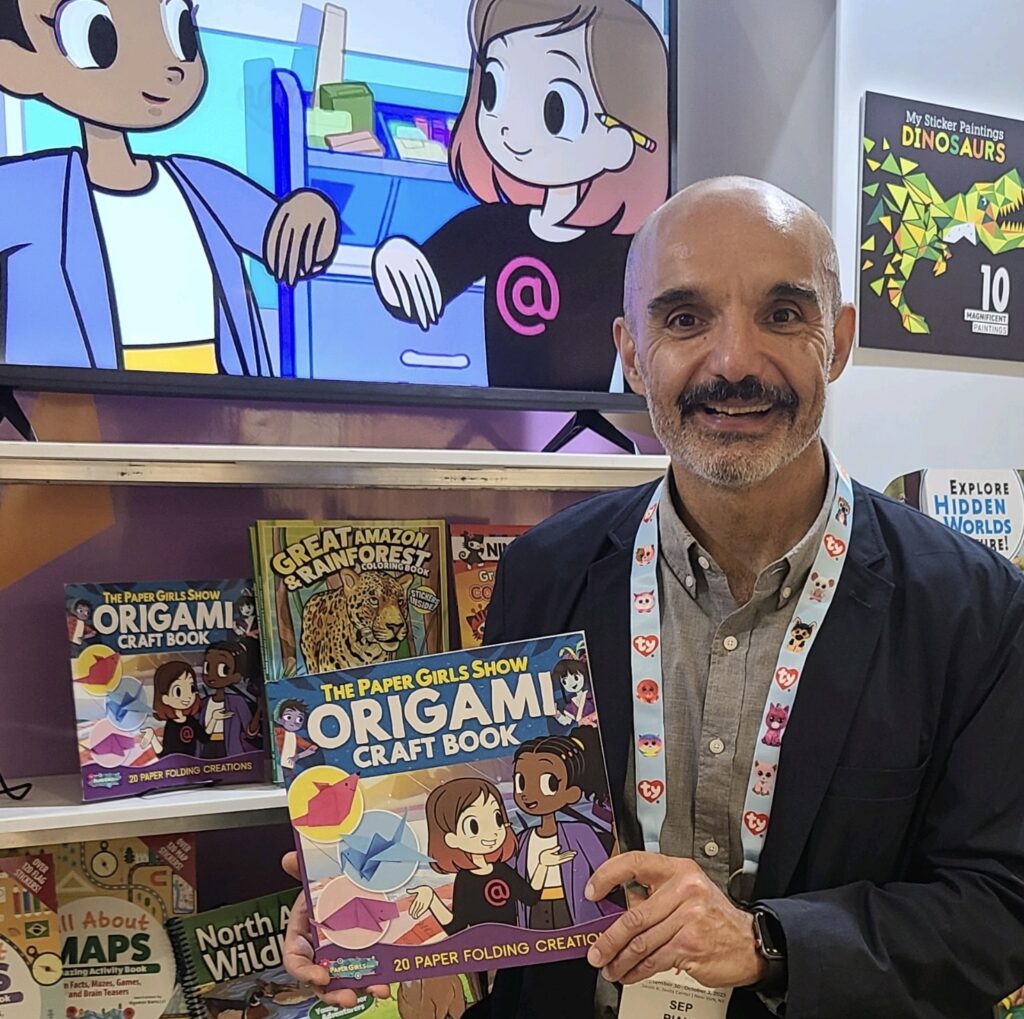
Sep Riahi is the CEO of Global Tinker and a former executive at Sesame Workshop, Sony Pictures, and lastminute.com. His latest venture, The Paper Girls Show, is a short-form video series built around paper as a creative medium—designed to get children off screens and inspire them to make something real. We spoke with Riahi to talk about why he chose paper, what the science says about hands-on learning, and why he believes creativity is the survival skill of the AI age.
Most people leaving a career in global e-commerce and major media would pitch an app, a platform, or a digital product. You chose paper. Was there a specific moment when paper became the obvious answer?
Much of today’s children’s media is designed to sell products. We wanted to inspire children to make things instead. We asked a different question: what’s the one material that could reach every child on earth and inspire them to create rather than consume? Every time we answered honestly, paper won. It’s already in almost every home and classroom in the world, costs almost nothing, needs no device or battery, and unlike plastic, it’s biodegradable. We came to see it as the world’s most accessible creative platform.
You’ve worked at Sony Pictures, Sesame Workshop, and lastminute.com. What’s the thread connecting them?
At Sony, I learned storytelling. At Sesame, I saw how beloved characters create educational impact at scale. At lastminute.com, I learned how global brands are built. Global Tinker brings those lessons together, combining story, hands-on making, and technology around a mission I care deeply about: to do for creativity, critical thinking, and wellbeing what Sesame Street did for literacy.
Accessibility seems central to paper. Was that intentional?
Completely. We have a saying internally: it should work as well in Nairobi as it does in New York. Paper removes barriers. A child doesn’t need expensive equipment, a subscription, or the latest device to participate. Our ambition is to build the world’s first truly global children’s media franchise built around paper, creativity, and making.
There’s real science behind why working with your hands is good for kids’ brains. Was that part of your thinking from the beginning?
Absolutely. Seymour Papert’s constructionist learning theory at MIT had a huge influence on us. Children learn differently when they create something themselves. A paper project doesn’t just produce an object, it develops persistence, problem-solving, creativity, and confidence. Skills that stay with children long after the project is finished.
There’s a lot of anxiety about kids and screens. Is paper and making part of the answer?
I think the answer is better use of technology, not less. At Global Tinker, we combine story, pedagogy, and technology deliberately to get children off a screen and make something real. The screen should be the spark; making and creating should be the destination. Children have never lost the desire to create—we sometimes just forget to give them the opportunity.
Paper often gets a bad environmental rap. What do you think about paper’s sustainability story?
The conversation is more nuanced than people realize. Paper can be reused, recycled, and transformed. Responsible producers actively manage and replant forests, and paper is biodegradable. But what excites me most is that paper encourages a mindset of creativity rather than consumption—children begin asking “What can I make?” instead of “What can I buy?”
‘Creativity,’ ‘collaboration,’ and ‘critical thinking’ are often buzzwords. What do they look like in practice?
For us, they’re not buzzwords, they’re survival skills. McKinsey, Goldman Sachs, and the World Economic Forum all point to the same conclusion: in an AI-driven world, the skills that matter most are the ones machines can’t easily replicate—critical thinking, creativity, collaboration, and curiosity. That’s why we’re investing so heavily in ScientistMaker.com, our educational platform and the area of our work we’re most excited about. Through stories from The Paper Girls Show, hands-on learning, and technology, we’re helping children learn not what to think, but how to think.

About The Paper Girls
The Paper Girls Show is exactly the kind of story Love Paper exists to tell—and this is just the beginning of the collaboration. Visit The Paper Girls website.
Find The Paper Girls Show
YouTube: The Paper Girls Show
Instagram: @PaperGirlsTV
Facebook: @PaperGirlsTV
Paper Girls: The Origami Collection—available wherever books are sold
About Love Paper
Love Paper North America is a global campaign run in North America by Two Sides North America. The campaign highlights the renewability and recyclability of paper-based products while addressing common environmental misconceptions. Love Paper Week, during the first week of February, is an annual celebration of the sustainable attributes and enduring value of paper. For more information, visit lovepaperna.org.